

How to Choose the Best Winter Jacket for Security Patrols

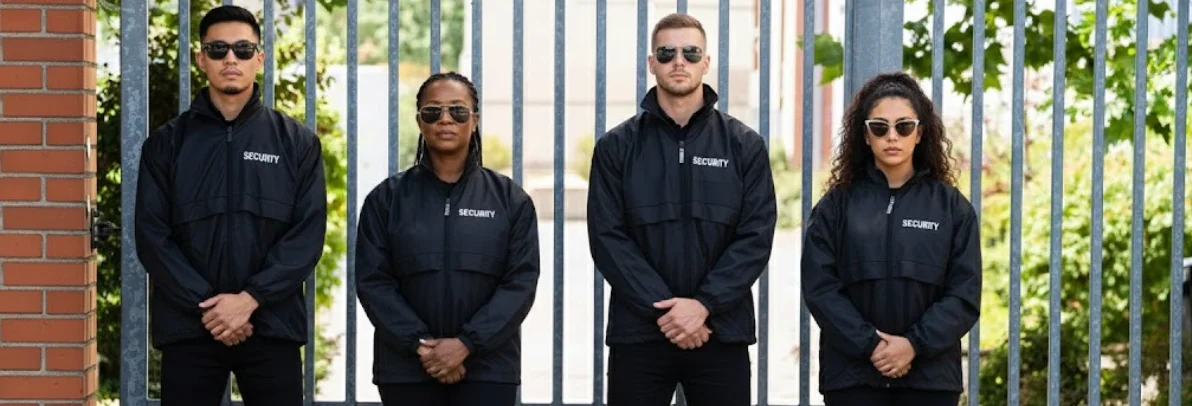
Cold winter nights do not pause security duties. Patrols continue in empty parking lots, construction sites, residential areas, and commercial properties while temperatures drop and winds cut through layers. A winter jacket is not just another part of a uniform for a security guard. It is protection, comfort, safety, and performance all wrapped into one essential piece of gear. At Domtex Marketing, we often speak with security professionals who underestimate how much the right winter jacket can impact their job until they experience the wrong one.
This guide is designed to help security guards, supervisors, and decision makers confidently choose the best winter jacket for patrol work. Everything here is written to be practical, clear, and genuinely helpful.
Why the Right Winter Jacket Matters for Security Patrols
Security patrols demand alertness, movement, and long hours outdoors. Cold weather directly affects concentration, reaction time, and physical comfort. When a guard is cold, distracted, or restricted by bulky clothing, performance drops.
A proper security guard winter jacket helps regulate body temperature, protects against wind and moisture, and allows freedom of movement. It also reduces fatigue. Staying warm means fewer breaks, better focus, and stronger presence during patrols.
Winter safety for security guards is not only about warmth. It is about staying dry, maintaining visibility, and avoiding stiff muscles that can slow response time. A well chosen winter patrol jacket supports all of this without becoming a burden.
Key Features to Look for in a Winter Patrol Jacket
Choosing a winter jacket for security patrols is not about style. It is about function. Several features make a real difference during long outdoor shifts.
Insulation is the core feature. It traps body heat and keeps the guard warm without overheating. Waterproofing protects against rain, snow, and sleet. Wind resistance prevents cold air from cutting through layers.
Practical design details matter more than many realize. Deep pockets for gloves and tools, strong zippers that work with gloves on, and reinforced stitching for durability all contribute to a better patrol experience.
Below is a simple comparison chart to help visualize what matters most.
Feature Importance Chart for Security Winter Jackets
| Feature | Importance Level | Why It Matters |
| Insulation | Very High | Maintains body heat during long patrols |
| Waterproofing | High | Keeps guards dry in rain and snow |
| Wind Resistance | High | Prevents heat loss in open areas |
| Mobility | Very High | Allows fast movement and response |
| Visibility Options | Medium | Helps identify guards in low light |
Material and Insulation Types Explained
Understanding jacket materials makes choosing easier. Most winter patrol jackets use either down insulation or synthetic insulation.
Down insulation is made from natural feathers. It offers excellent warmth and feels lightweight. However, it loses effectiveness when wet and takes longer to dry. For security guards working in wet or snowy conditions, this can be a drawback.
Synthetic insulation is designed to perform even when damp. It dries faster and is easier to maintain. Many security patrol jackets prefer synthetic insulation because it balances warmth, durability, and reliability.
Outer shell materials are equally important. Nylon and polyester blends are commonly used because they resist tearing and block wind effectively. A thermal lining inside the jacket adds comfort and helps maintain consistent warmth throughout the shift.
Weather Conditions and Jacket Performance
No two patrol environments are the same. Choosing a jacket based on local climate makes a noticeable difference.
Guards working in mild winters may need a lighter jacket with breathable insulation. Those facing harsh climates require stronger protection. Understanding how weather affects jacket performance helps avoid over layering or under protecting.
Domtex Marketing recommends matching jacket performance directly with patrol conditions rather than choosing a one size fits all solution.
Cold, Wet and Windy Environments
Patrols near coastal areas, open fields, or urban streets often face cold winds and heavy moisture. In these conditions, waterproof and windproof features are essential.
A jacket with sealed seams and a water resistant outer layer prevents moisture from reaching inner layers. Wind blocking materials reduce heat loss significantly. Guards remain dry, warm, and focused even during extended outdoor exposure.
Hoods with adjustable cords and high collars provide added protection for the neck and head without limiting vision.
Extreme Temperature Considerations
Sub zero temperatures require heavy duty winter jackets designed for extreme cold. These jackets feature thicker insulation, thermal linings, and longer lengths to protect the core.
For extremely cold patrol environments, layering compatibility matters. A jacket should fit comfortably over base layers without restricting movement. Cuffs that seal tightly around gloves and adjustable waist closures help lock in warmth.
Below is a simple temperature suitability table.
Jacket Type vs Temperature Range
| Jacket Type | Suitable Temperature |
| Lightweight Insulated Jacket | 5 to 10 degrees Celsius |
| Mid Weight Patrol Jacket | minus 5 to 5 degrees Celsius |
| Heavy Duty Winter Jacket | minus 5 degrees Celsius and below |
Fit, Comfort and Mobility for Active Patrol Work
A winter jacket should never slow a guard down. Proper fit ensures comfort during walking, standing, and rapid movement.
The jacket should allow full arm extension without pulling at the shoulders. Length should cover the torso without interfering with leg movement. Adjustable cuffs and waistbands help customize fit for different body types.
Mobility is especially important for security officers who patrol large areas. Flexible materials and articulated sleeves support natural movement. Comfort keeps guards alert and focused throughout long shifts.
Top Brands and Budget Options for Security Jackets
Many brands offer winter patrol jackets, but not all are built for security work. The best security jacket brands focus on durability, weather protection, and functional design.
Affordable options can still deliver solid performance when chosen carefully. Budget friendly jackets with synthetic insulation and water resistant shells often provide excellent value.
Domtex Marketing advises security teams to prioritize performance over branding. A jacket that performs well in cold weather will always be the better investment.
Final Thoughts from Domtex Marketing
Choosing the best winter jacket for security patrols is a practical decision that affects daily performance, comfort, and safety. From insulation and materials to fit and climate suitability, every detail plays a role.
A good winter patrol jacket supports the guard instead of distracting them. It keeps them warm, dry, mobile, and ready to respond. Investing time in choosing the right jacket leads to better patrol outcomes and happier security professionals.